
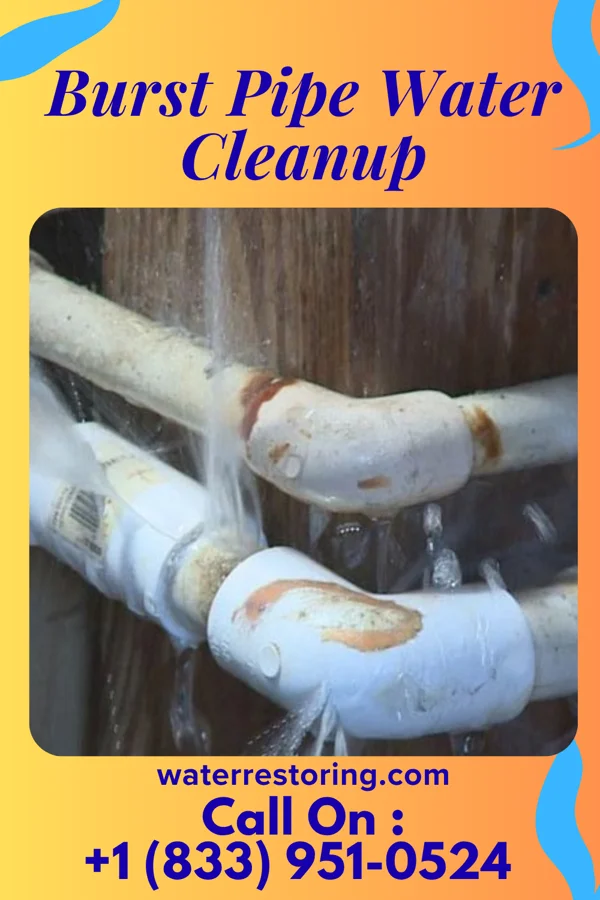
Why Burst Pipes Hit Wessington Hard
The pattern in Wessington is consistent. Wessington, located in Beadle County, experiences a higher risk of burst pipes due to its rural setting and aging infrastructure. The town's proximity to areas like Wolsey, SD, and St. Lawrence, SD, means that water main issues can spread quickly, especially during colder months when pipes are more prone to freezing and bursting. drives most of the emergency restoration calls we get. A close second is The rural nature of Wessington also means that many homes have older plumbing systems that may not be equipped to handle sudden pressure changes or temperature fluctuations. Additionally, the town's smaller population and limited emergency response resources can delay repairs, increasing the risk of secondary pipe failures..
Wessington's climate, characterized by cold winters and warm summers, plays a significant role in pipe integrity. The town's location in a rural area with limited access to immediate repairs means that residents must be proactive in maintaining their plumbing systems to prevent burst pipe incidents.
Wessington's climate, characterized by cold winters and warm summers, plays a significant role in pipe integrity. The town's location in a rural area with limited access to immediate repairs means that residents must be proactive in maintaining their plumbing systems to prevent burst pipe incidents. The dominant local driver is Wessington, located in Beadle County, experiences a higher risk of burst pipes due to its rural setting and aging infrastructure. The town's proximity to areas like Wolsey, SD, and St. Lawrence, SD, means that water main issues can spread quickly, especially during colder months when pipes are more prone to freezing and bursting., with The rural nature of Wessington also means that many homes have older plumbing systems that may not be equipped to handle sudden pressure changes or temperature fluctuations. Additionally, the town's smaller population and limited emergency response resources can delay repairs, increasing the risk of secondary pipe failures. showing up as the next most common cause. Damage builds in stages. Spread. Absorption. Microbial growth. Structural compromise. Every stage you pass through adds to the final bill.